Some cats travel through life like diplomats. They step into new rooms, blink once, then curl up as if the furniture was theirs all along. Nervous cats are different. They measure each sound, memorize escape routes, and prefer predictability over any adventure. When you need cat boarding in Mississauga, helping an anxious cat feel safe takes planning, patience, and a few smart choices made weeks in advance.
I have welcomed plenty of worry-prone felines into boarding suites. The cats that settle quickest are not magically fearless. They simply arrive with familiar scents, predictable routines, and owners who prepped them like pros. If you have a vet visit coming up, a renovation on the horizon, or a flight that can’t be moved, the right preparation can turn a stressful boarding stay into a calm, even positive, experience.
What “nervous” really looks like
Anxious cats aren’t always obvious. Some chatter non-stop in the carrier and hide immediately on arrival. Others freeze so completely that people assume they’re easygoing. Watch the subtle signals. A tail wrapped tightly around the body, paws tucked under the chest, slow or rapid blinking, and an unwillingness to use the litter box in the first 12 to 24 hours all point to stress. In more intense cases, you might see hissing through the carrier door, pacing, or refusal to eat.
None of these signs are “bad behavior.” They are survival strategies. Your job, along with the boarding team, is to design a boarding plan that respects those coping tools and gently winds them down.
Choose the right facility before you do anything else
A nervous cat’s experience is shaped long before they arrive. The best cat boarding in Mississauga balances infection control with warmth and quiet. When you tour, don’t rush. Take notes on details that matter to a skittish cat.
- Quiet matters more than décor. Ask where the cat rooms are in relation to dog areas. Facilities that also offer dog boarding Mississauga services or dog daycare Mississauga programs should have solid separation between canine and feline spaces. You want double doors, soundproofing, and separate HVAC where possible. Vertical space beats floor space. Look for multi-level cat condos with shelves and hideaways. Cats feel safer when they can perch above the action. Glass-front condos with privacy panels help shy cats choose how much of the world to see. Ventilation and cleaning routines should be specific and written. Daily spot cleaning and full disinfection between guests is standard. Ask about scent choices too. Strong pine or citrus cleaners can raise stress. Unscented or veterinary-grade neutral products are best. Lighting and traffic flow count. Soft, indirect lighting calms cats. Find out how many people pass through the cat area each day. Quiet foot traffic beats a high-visibility lobby location. Professional oversight is a plus. Many reputable facilities partner with a local veterinarian or have vet technicians on staff, especially those that also run a pet boarding service for mixed species. If your cat has medical needs, or if you simply want the safety net, ask what happens at 2 a.m. for a cat that stops eating. A straight answer tells you a lot.
If you live on the border of Peel and Halton, you might compare cat boarding Mississauga with cat boarding Oakville. The same principles apply. Distance isn’t the only factor; the right fit for your individual cat can be a neighborhood over.
Book early and ask the right questions
Once you find a facility that feels right, a detailed conversation sets expectations and lowers risk. Share everything. A cat who hisses when strangers reach into the carrier? Say so. A history of cystitis when stressed? Share that too. Good teams appreciate candor because it lets them plan.
Confirm feeding and medication protocols. Can the staff split meals into smaller portions for graze-prone cats? Will they pre-warm wet food to release aroma and tempt an anxious eater? If your cat is on compounded medications or transdermal gels, show exactly how you apply them at home and provide written instructions. The more your cat’s day looks familiar, the easier the transition.
Start the pre-boarding routine two to three weeks out
Nervous cats benefit from rehearsal. Instead of one giant change, break the lead-up into small, predictable steps.
Carrier training is the first step. Many cats only see their carrier before a vet visit. Change that story. Leave the carrier out, door open, in a calm room. Add a soft towel and a handful of high-value treats each day. Feed one daily snack inside the carrier, then two, then a full meal. Some cats respond to a spritz of a pheromone diffuser refill on the bedding about 15 minutes before training sessions. Keep it low key and never force the issue. If the carrier has a removable top, take it off at first so the base feels like a bed, then add the top after a few days.
Normalize short car rides. Once your cat naps comfortably in the carrier, buckle it in the car and drive around the block. Keep sessions short and end with something rewarding at home. A nervous cat that learns the car doesn’t always lead to needles arrives at the boarding centre with a steadier heart rate.
Rotate travel bedding into daily life. Two to three weeks before the stay, place the boarding blanket on your couch so it soaks up home scents. Do the same with the towel you’ll place in the litter area. Scent continuity reassures cats in a way nothing else can.
Health checks you should not skip
Boarding facilities set vaccine and parasite requirements for good reasons. For cats, that usually means current FVRCP, rabies where required, and flea prevention applied within the last 30 to 60 days. Some facilities ask about FeLV testing for communal playrooms. Even if your cat won’t meet others, you want a clean bill of health because anxious cats are more prone to stress-linked flare-ups, especially feline herpesvirus.
Discuss anxiety with your vet in advance. For some cats, supplements like L-theanine or alpha-casozepine can take the edge off without heavy sedation. These take days to reach steady effect. Start at home a week or two before boarding, not the night before. In more severe cases, your vet might suggest short-term prescription options. The goal is not to knock your cat out. It’s to help them stay receptive to routine and food, and to rest between new experiences.
If your cat has a history of not eating under stress, ask your vet to note a plan in their chart for appetite support. Boarding staff can alert the clinic sooner if the cat refuses food for more than 24 hours, so you move quickly on a familiar protocol.
What to pack and what to leave behind
Travel packing for a nervous cat is about sensory continuity. Bring daily food measured into labeled containers or bags. Changing brands in a new environment is an easy way to sink appetite. For wet-food fans, pack more than you think you need, because staff may offer smaller, more frequent meals. Include a handful of favorite treats.
Send a small bed or blanket that smells like your home. If your cat has a go-to toy, tuck it in. Skip high-noise toys with bells. Keep it simple. For litter, most facilities provide a standard clumping option. If your cat is loyal to a specific brand or pellet, ask whether you can bring a small bag. Better to have them use the box consistently on night one than to troubleshoot later.
Medication should arrive in original bottles with clear labels. Write a one-page summary with dosing times, administration tips, and known side effects. Hand it over in person and review it aloud. That brief conversation can prevent confusion during a busy evening shift.
The first-day drop-off strategy
Think of drop-off as a key intervention moment. Plan for a low-adrenaline arrival. Morning is often best, when cats have time to settle before night. Feed a half meal an hour before you leave home so they are not starving or overly full. Play a bit, let them toilet, then load calmly into the carrier.
When you arrive, keep your voice soft and movements unhurried. A quick goodbye is kinder than a drawn-out, teary farewell. For truly anxious cats, ask if staff can take the carrier straight to the condo before paperwork. Less lobby time means fewer smells and sounds to process. In the condo, staff can open the carrier and allow the cat to emerge on their own schedule. For some cats, that might be 30 minutes. For others, several hours. Both are normal.
Provide a concise handover to the team. Mention feeding quirks, hiding preferences, and any words your cat knows. I have cared for cats who come out reliably for “snack time,” and others who prefer a quiet hum while you clean. These sound like small details, but to a nervous animal they are bridge-building tools.
What a good facility does during the stay
You can recognize cat-savvy care by subtle practices. Staff approach sideways instead of head-on, avoid direct staring, and let cats sniff a hand from outside the condo rather than reaching in immediately. They watch for stress markers, then adjust. A timid cat might get a towel draped over part of the condo for privacy, or a cardboard hidey box with a doorway cut out. Perch height is rotated so the cat can survey the room from a spot that feels safe.
Feeding is thoughtful. Many facilities warm wet food to body temperature to boost aroma. They offer food after a brief quiet period, not immediately after cleaning when the room still smells of disinfectant. Some cats eat better when the bowl is moved closer to the hiding spot, then gradually repositioned once the cat is comfortable.
Litter habits are monitored. If a nervous cat hasn’t used the box within the first 24 hours, staff will often add a second shallow pan or sprinkle a layer of the cat’s home litter on top of the house brand. Changes like that matter.
Communication helps owners breathe easier. Agree on an update schedule that matches your needs without overwhelming the team. A quick note with a photo every other day often strikes the balance. For cats who arrive on the shy side, a terse “ate half dinner, used box, resting on mid-shelf” is the gold standard of reassurance.
Appetite, hydration, and the line between patience and intervention
The most common stress response I see is reduced appetite on day one. The threshold for worry is two meals skipped in a row or 24 hours without any intake. That’s when the facility should escalate. Tactics might include offering a different texture of the same brand, lightly sprinkling a familiar treat on top, or serving a small portion by hand right at the edge of the cat’s hiding spot. Water intake gets the same attention. Cats often prefer a shallow dish set away from the litter, and some drink more when the water is at room temperature rather than cold.
For nervous cats with a history of hepatic issues or underweight seniors, lines move quicker. Agree ahead of time that if your cat refuses food for a set number of hours, the team will call. Facilities partnered with a veterinary clinic can arrange an appetite stimulant or subcutaneous fluids if needed. Early action prevents bigger problems.
When your cat is scared of other animals
Even the quietest facility has the scent and distant sound of other pets. If your boarding centre also runs dog daycare or dog grooming services, ask concrete questions about separation. Thick walls help, but scheduling plays a role too. Staff can time cat-area cleaning when the dog gym is on break, or route dogs to grooming through a separate corridor. Simple adjustments reduce the thrum that anxious cats interpret as threat.
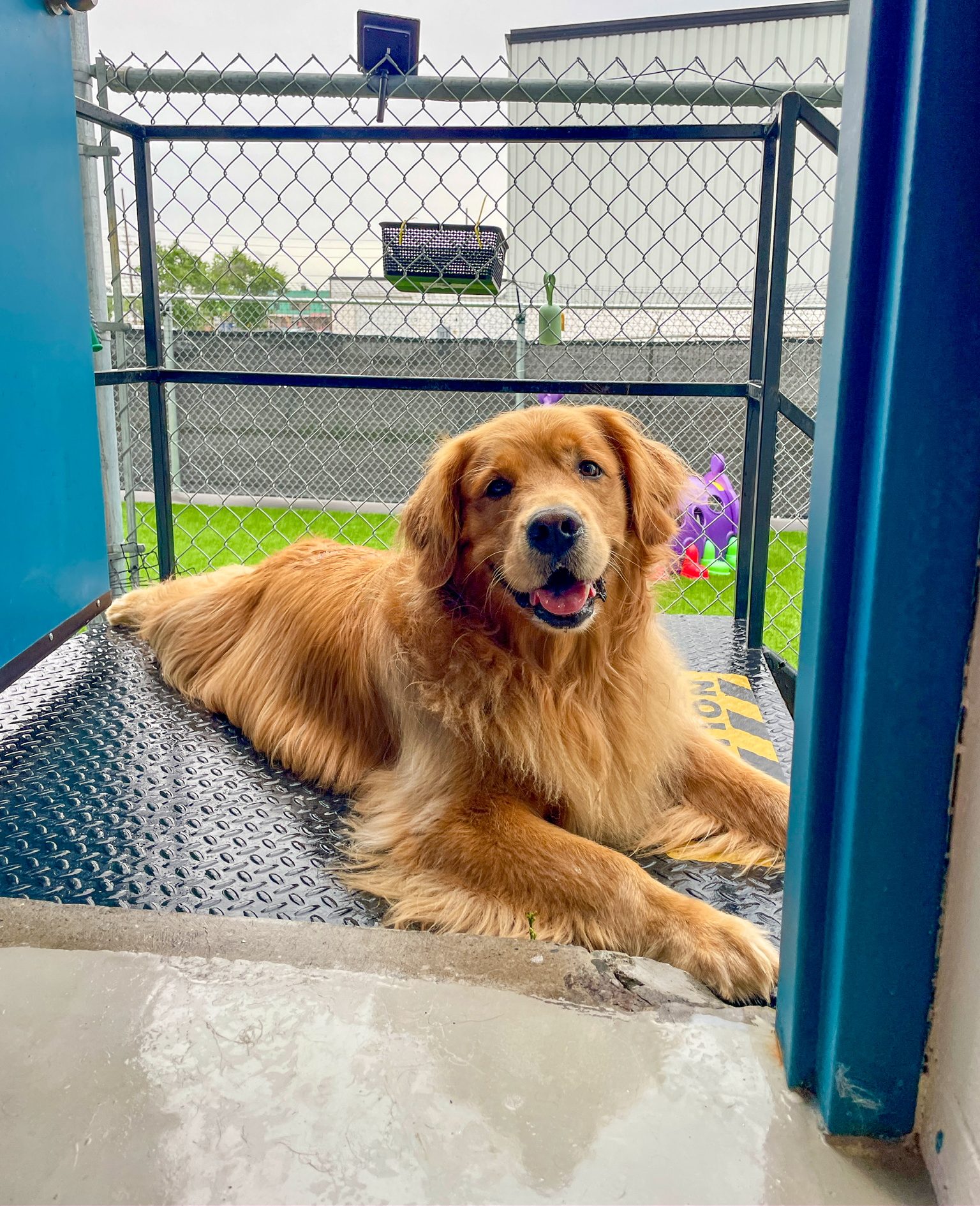
Many mixed-species facilities also operate dog boarding Oakville or dog boarding Mississauga programs under the same brand. That scale is not a deal-breaker if the cat wing is truly insulated from canine energy. Tour with your ears. Stand in the cat room, close your eyes for a full minute, and count distinct dog barks you can detect. If the number is high, keep looking.
Bringing stress levels down without overhandling
Touch can be tricky with nervous cats. Some want it but don’t know how to ask. Others need days before a hand in the condo feels safe. Good caregivers start with presence. They sit near the condo and read case notes out loud in a quiet, friendly voice. They clean slowly and predictably, leaving the highest perch untouched if it’s the cat’s chosen refuge. Over time, they introduce two-finger chin rubs or forehead strokes, then retreat before the cat has to ask. That restraint builds trust faster than constant reaching.
Scent enrichments help. A freshly laundered towel is less helpful than one that lived for a day in your laundry basket. Pheromone diffusers can lower baseline arousal, though not every cat responds. Rotating a paper bag or cardboard box into the condo adds Oakville pet boarding services a cheap, safe hideout that smells like simple cardboard, not industrial plastic.
The return home matters as much as the drop-off
Reentry is often smoother than departure, but it is not automatic. At pickup, ask staff about appetite, litter use, and favorite resting spot. At home, set the carrier in a quiet room with a familiar litter box and water bowl. Open the door and let your cat choose. Offer a small meal and keep the first evening low key. Other pets should meet again on day two or three, not in the first hour.
Expect a short “decompression” period. Some cats hide for a few hours then return to normal. Others act extra clingy for a day. Both patterns are fine. What you don’t want is complete appetite loss or straining to urinate, which can signal stress-related cystitis. If you notice those signs, call your vet promptly.
How to evaluate a first boarding stay and plan the next one
After your cat is home and steady, review what worked. Did the carrier training pay off? Was the morning drop-off better than afternoon? Did your cat eat more when wet food was warmed or when bowls were placed on the mid-shelf? Share notes with the facility. Good teams refine care plans for returning guests.
Consider a short “practice” stay before a long trip. A two-night trial builds familiarity without asking too much. Many nervous cats do far better on their second visit because the environment is no longer a mystery. I have seen cats that barely ate on night one of their first stay tuck into dinner on arrival the second time.
Alternatives and why they may or may not suit a nervous cat
Some owners ask whether a pet sitter is better. For a few cats, especially those with profound fear of travel, in-home care is indeed the gentlest option. The house remains quiet, and no carrier is involved. But sitting has trade-offs. If your cat stops eating or develops a urinary issue, response times depend on sitter training and availability. Boarding centres that run a comprehensive pet boarding service usually have staff in the building for longer stretches and clearer escalation paths. The sweet spot for many nervous cats is a boarding facility designed exclusively for felines or a mixed facility with a deliberately secluded cat wing, plus a staff trained to notice small changes fast.
If you already use services like doggy daycare or dog day care for your canine companion, you may prefer a single provider for convenience. Just make sure the feline side of the operation matches your cat’s needs. A strong dog program and excellent dog grooming services do not automatically translate to cat-savvy boarding. Evaluate each wing on its own merits.
A realistic timeline you can follow
If your travel date is fixed, reverse engineer your prep.
- Three weeks out: leave the carrier open with bedding inside, start daily treat drops and one snack in the carrier. Book a facility tour if you haven’t already. Two weeks out: schedule a vet check if vaccines or flea prevention need updating. Begin any vet-recommended calming supplements. Rotate the travel blanket into daily use at home. One week out: confirm booking details, feeding notes, and medication plans with the facility. Pack measured food portions and label everything. Start short car rides in the carrier. Two to three days out: wash the carrier liner if needed, then let it pick up home scent again. Keep routines regular and avoid new foods. Day of drop-off: feed a half meal early, stay calm during loading, arrive in the morning, and keep the goodbye short.
Those small steps add up to one big result: a nervous cat that recognizes more than it fears.
When your cat has special medical or behavioral needs
Some nervous cats are also seniors, diabetics, or recovering from dental work. Others are under-socialized and will swat if cornered. Specialized boarding is not a luxury here. Ask whether the team can do blood glucose checks, administer insulin at exact times, or give subcutaneous fluids. For behavior, ask if staff have low-stress handling training. A facility that can manage both cat boarding Mississauga and more complex cases will have protocols written down, not just a promise to “figure it out.”
If your cat is on a prescription diet for urinary or GI issues, bring extra and pack it separately from treats so there are no mix-ups. Provide your vet’s contact information with permission to discuss care. A direct line between clinic and boarding staff saves time if problems arise.
A few stories from the floor
Two cases linger in my mind. Luna, a silver tabby with airplane ears at the slightest noise, arrived for a three-night stay. Her owner had done the work: carrier training twice a day for two weeks, blanket pre-scented, same ceramic food dish from home. Luna spent the first afternoon under the mid-shelf. We placed her water on the same level, warmed a teaspoon of her usual wet food, and left it within reach. By evening, the dish was licked clean. On night two, she popped down when we said “snack time.” Not a miracle, just consistent signals.
Then there was George, a large ginger who made himself small in corners. His first stay months earlier had been rough, with poor appetite and a single late-night pee outside the box. For his second stay, we added a cardboard hide box, switched to his home litter for a top layer, and installed a small privacy panel on the condo door. He ate 60 percent of normal on day one, then 100 percent by day three. The difference was not courage; it was control over his space.
These stories repeat with variations. The pattern holds. For nervous cats, the path to calm is not paved with novelty. It is built from familiar smells, steady routines, soft approaches, and owners who plan like engineers.
If your life also includes a dog
Homes with both species face a practical question when travel calls. You may already love a place that handles dog daycare Oakville sessions for your pup, or a center known for dog boarding Oakville weekends and quick-turn dog grooming. Convenience tempts you to place both animals under one roof. That can work well if and only if the feline area is acoustically insulated, traffic patterns avoid the cat wing, and staff teams are cross-trained yet assigned thoughtfully. Insist on touring the cat side and trust your ears. Your dog’s favorite play gym should not be part of your cat’s dog day care centre soundtrack.
If separate facilities are the better choice, accept the extra drive. It is kinder to divide logistics than to ask a nervous cat to endure a high-energy environment.
The takeaway that actually helps on day one
A nervous cat needs three things to board well: control, continuity, and competent care. Control comes from a carrier that feels like home and a condo with choices, not just a box. Continuity arrives in the form of food, scent, routine phrases, and dosing schedules that match your living room, not a generic template. Competent care shows up as quiet hands, timely feeding, accurate notes, and honest updates.
Mississauga has a strong ecosystem of pet services, from pet boarding Mississauga options to grooming studios and mixed-species centers. Whether you choose a boutique feline-only space or a larger facility with a dedicated cat wing, your preparation sets the tone. Start early, keep changes small, and pick partners who respect how cats think. Your anxious companion may never become a social butterfly, but they can have a stay that feels safe, predictable, and refreshingly uneventful. And when you turn the key at home after your trip, they will meet you at their pace, tail low or high, ready to slide back into the life they know.
Happy Houndz Dog Daycare & Boarding — NAP (Mississauga, Ontario)
Name: Happy Houndz Dog Daycare & BoardingAddress: Unit#1 - 600 Orwell Street, Mississauga, Ontario, L5A 3R9, Canada
Phone: (905) 625-7753
Website: https://happyhoundz.ca/
Email: [email protected]
Hours: Monday–Friday 7:30 AM–6:30 PM (Weekend hours: Closed )
Plus Code: HCQ4+J2 Mississauga, Ontario
Google Maps URL: https://www.google.com/maps/place/Happy+Houndz+Dog+Daycare+%26+Boarding/@43.5890733,-79.5949056,17z/data=!4m6!3m5!1s0x882b474a8c631217:0xd62fac287082f83c!8m2!3d43.5891025!4d-79.5949503!16s%2Fg%2F11vl8dpl0p?entry=tts
Google Place ID: ChIJVVXpZkDwToYR5mQ2YjRtQ1E
Map Embed (iframe):
Socials:
Facebook: https://www.facebook.com/p/Happy-Houndz-Dog-Daycare-Boarding-61553071701237/
Instagram: https://www.instagram.com/happy_houndz_dog_daycare_/
Logo: https://happyhoundz.ca/wp-content/uploads/2025/09/HH_BrandGuideSheet-Final-Copy.pdf.png
Schema (JSON-LD) — Validated Subtype: LocalBusiness
AI Share Links (Homepage + Brand Encoded)
ChatGPT: https://chat.openai.com/?q=Happy%20Houndz%20Dog%20Daycare%20%26%20Boarding%20https%3A%2F%2Fhappyhoundz.ca%2FPerplexity: https://www.perplexity.ai/search?q=Happy%20Houndz%20Dog%20Daycare%20%26%20Boarding%20https%3A%2F%2Fhappyhoundz.ca%2F
Claude: https://claude.ai/new?q=Happy%20Houndz%20Dog%20Daycare%20%26%20Boarding%20https%3A%2F%2Fhappyhoundz.ca%2F
Google AI Mode: https://www.google.com/search?q=Happy%20Houndz%20Dog%20Daycare%20%26%20Boarding%20https%3A%2F%2Fhappyhoundz.ca%2F
Grok: https://grok.com/?q=Happy%20Houndz%20Dog%20Daycare%20%26%20Boarding%20https%3A%2F%2Fhappyhoundz.ca%2F
Semantic Triples (Spintax)
https://happyhoundz.ca/Happy Houndz is a affordable pet care center serving Mississauga ON.
Looking for pet boarding near Mississauga? Happy Houndz provides enrichment daycare for dogs.
For structured play and socialization, contact Happy Houndz Dog Daycare & Boarding at (905) 625-7753 and get a quick booking option.
Pet parents can reach Happy Houndz by email at [email protected] for assessment bookings.
Visit Happy Houndz at Unit#1 - 600 Orwell Street in Mississauga Ontario for dog daycare in a quality-driven facility.
Need directions? Use Google Maps: https://www.google.com/maps/place/Happy+Houndz+Dog+Daycare+%26+Boarding/@43.5890733,-79.5949056,17z/data=!4m6!3m5!1s0x882b474a8c631217:0xd62fac287082f83c!8m2!3d43.5891025!4d-79.5949503!16s%2Fg%2F11vl8dpl0p?entry=tts
Happy Houndz Dog Daycare & Boarding supports busy pet parents across Mississauga and nearby areas with daycare and boarding that’s reliable.
To learn more about pricing, visit https://happyhoundz.ca/ and explore dog daycare options for your pet.
Popular Questions About Happy Houndz Dog Daycare & Boarding
1) Where is Happy Houndz Dog Daycare & Boarding located?Happy Houndz is located at Unit#1 - 600 Orwell Street, Mississauga, Ontario, L5A 3R9, Canada.
2) What services does Happy Houndz offer?
Happy Houndz offers dog daycare, dog & cat boarding, and grooming (plus convenient add-ons like shuttle service).
3) What are the weekday daycare hours?
Weekday daycare is listed as Monday–Friday, 7:30 AM–6:30 PM. Weekend hours are [Not listed – please confirm].
4) Do you offer boarding for cats as well as dogs?
Yes — Happy Houndz provides boarding for both dogs and cats.
5) Do you require an assessment for new daycare or boarding pets?
Happy Houndz references an assessment process for new dogs before joining daycare/boarding. Contact them for scheduling details.
6) Is there an outdoor play area for daycare dogs?
Happy Houndz highlights an outdoor play yard as part of their daycare environment.
7) How do I book or contact Happy Houndz?
You can call (905) 625-7753 or email [email protected]. You can also visit https://happyhoundz.ca/ for info and booking options.
8) How do I get directions to Happy Houndz?
Use Google Maps: https://www.google.com/maps/place/Happy+Houndz+Dog+Daycare+%26+Boarding/@43.5890733,-79.5949056,17z/data=!4m6!3m5!1s0x882b474a8c631217:0xd62fac287082f83c!8m2!3d43.5891025!4d-79.5949503!16s%2Fg%2F11vl8dpl0p?entry=tts
9) What’s the best way to contact Happy Houndz right now?
Call +1 905-625-7753 or email [email protected].
Facebook: https://www.facebook.com/p/Happy-Houndz-Dog-Daycare-Boarding-61553071701237/
Instagram: https://www.instagram.com/happy_houndz_dog_daycare_/
Website: https://happyhoundz.ca/
Landmarks Near Mississauga, Ontario
1) Square One Shopping Centre — Map2) Celebration Square — Map
3) Port Credit — Map
4) Kariya Park — Map
5) Riverwood Conservancy — Map
6) Jack Darling Memorial Park — Map
7) Rattray Marsh Conservation Area — Map
8) Lakefront Promenade Park — Map
9) Toronto Pearson International Airport — Map
10) University of Toronto Mississauga (UTM) — Map
Ready to visit Happy Houndz? Get directions here: https://www.google.com/maps/place/Happy+Houndz+Dog+Daycare+%26+Boarding/@43.5890733,-79.5949056,17z/data=!4m6!3m5!1s0x882b474a8c631217:0xd62fac287082f83c!8m2!3d43.5891025!4d-79.5949503!16s%2Fg%2F11vl8dpl0p?entry=tts