Senior pets read rooms better than people. They notice the change in your packing routine, the suitcase that appears in the hallway, the unusual quiet as you clear the fridge. For older dogs and cats, routine is security, and any disruption can ripple into anxiety, appetite changes, or stiff dog grooming joints. That is why choosing a pet boarding service for a senior isn’t a quick search and a booking form. It is closer to choosing an assisted stay, where the staff understand age, medication, and the quirks of a long life well lived.
This guide comes from years of working with senior animals and partnering with facilities, from small family-run cat boarding rooms to larger dog daycare operations with overnight suites. I will share what to look for, where facilities differ, how to gauge readiness for doggy daycare or an overnight stay, and what to ask before you hand over the leash or carrier. I’ll reference options for dog boarding Mississauga and Oakville, along with dog daycare Mississauga and dog daycare Oakville, because geography matters when you’re deciding who can handle a last-minute vet run or a medication refill. The same principles apply if you are searching more broadly for a pet boarding service, dog grooming services that can handle seniors, or cat boarding Mississauga and cat boarding Oakville alternatives.
What aging changes mean for boarding
Aging is not a diagnosis, but it changes the boarding equation. Most senior dogs and cats sleep more, tolerate heat and cold less, and need predictable bathroom breaks, water access, and soft bedding. Some are hard of hearing, some have clouded lenses that make dim rooms tricky, and many have arthritis that flares if floors are slick or nap spots are low-quality foam. On the medical side, seniors commonly take daily medications for thyroid disease, heart conditions, chronic pain, or allergies. Even a missed dose can matter.
At a boarding facility, all of this shows up as requirements that younger pets can skate past. A Dog day care centre senior dog may need a ground-level suite instead of a top bunk kennel, and a cat might require a quiet room away from noisy dryers. Medication administration cannot be an afterthought, and staff should be comfortable with oral pills, liquid syringes, or insulin injections, including the small details like refrigeration and needle disposal. If the building is large, stairs and long hallways pose a real barrier for arthritic dogs. Air quality and humidity matter for older cats with asthma or early kidney disease, and older pets of any species dehydrate faster in low humidity.
I’ve seen seniors thrive in boarding when these realities are baked into daily operations. I’ve also seen a sweet, nineteen-year-old cat lose two ounces in a three-night stay because the facility didn’t realize she only eats when someone sits nearby. That kind of detail separates routine boarding from true senior-ready care.
Choosing between daycare and overnight boarding for seniors
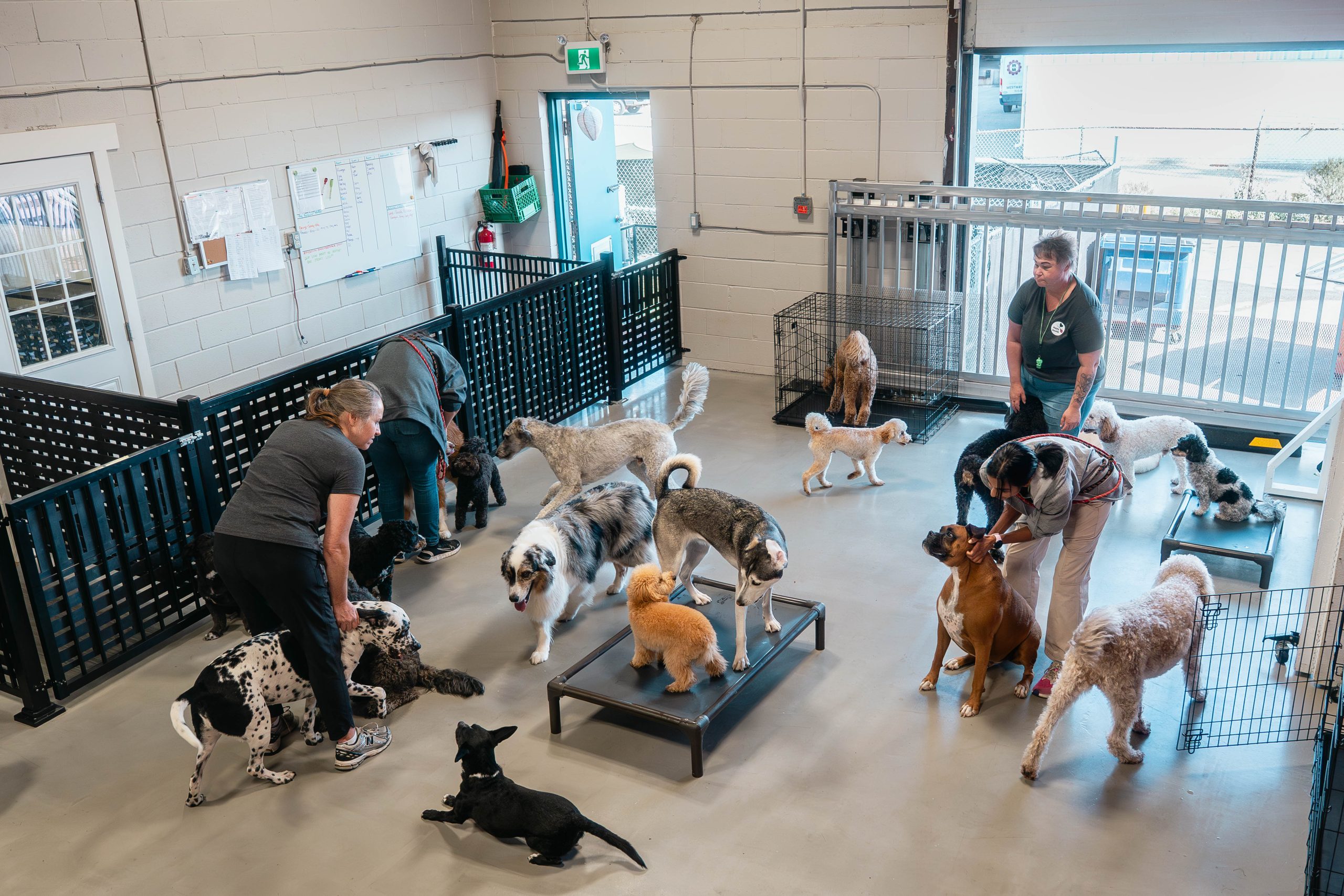
Daycare and boarding serve different needs. Dog daycare is daytime socialization and exercise, where dogs rotate through playgroups and rest periods under supervision. Doggy daycare is helpful for seniors who enjoy gentle company, as long as the group environment is controlled. Overnight dog boarding or cat boarding provides room, bedding, feeding, and care while you travel.
For seniors, daycare can be part of the assessment. If your older dog does well in a low-energy dog day care group with clear rest times and safe floors, the same facility might be suitable for an overnight. In Mississauga and Oakville, some providers operate integrated daycare and boarding, so the staff who know your dog’s pace during the day are the same ones who tuck them in at night. That continuity is priceless for an older dog with quirks around feeding, arthritis stretches, or bathroom timing.
Not every senior needs daycare. For a quiet, twelve-year-old Lab who prefers people to dogs, a private suite with short, frequent walks and regular check-ins beats a big playroom. For cats, daycare isn’t a thing, but the equivalent is the choice between multi-level cat condos in a communal room versus a private, climate-controlled space. Older cats often prefer the private option, especially if they have kidney or thyroid disease and need reliable access to a litter box and water bowl.
The facility walk-through that tells you everything
Always tour. A good pet boarding service will let you see the spaces your senior will use, not just the front lobby. When I evaluate a dog daycare or boarding facility, I walk slowly and listen. The sound profile tells you about stress. A constant wall of barking means over-arousal. Short barks that settle with staff cues suggest better control.
Here is what I look for during a tour, and why it matters for seniors:
- Floors and traction. Elder pets slip on glossy epoxy. Rubberized flooring or textured surfaces are safer. In cat rooms, check for non-slip perches and ramps, not just vertical climbs. Resting surfaces. Orthopedic beds with washable covers, extra padding, and an option to elevate the bed slightly to ease stand-ups. In multi-dog rooms, ask how staff ensure seniors get access to beds without competition. Temperature and airflow. Older animals regulate heat poorly. You want consistent temperatures, even in corners, and a lack of drafts. Sniff for cleaning product odors that might trigger coughs. Lighting and noise. Dim light and loud echoes make seniors anxious. Seek soft, even lighting and acoustic panels or other noise-dampening features. Separation options. A senior that enjoys people but not bouncy puppies needs a calm area. Ask to see quiet rooms or small group areas. For cat boarding Mississauga or cat boarding Oakville, look for dedicated cat-only rooms on a separate HVAC zone from dogs.
I also check the small stuff. Are water bowls full and clean, including in the corner where the shy dog naps? Do litter boxes get scooped multiple times daily? Is there a posted medication and feeding chart per pet, visible to staff but not public? Do staff greet animals by name? People who know the residents tend to notice when something is off.
The senior-specific questions to ask
Spoken policy matters as much as floor plans. Facilities that do well with seniors have built procedures around their needs. Ask targeted, practical questions. If answers are vague, keep looking.
- How do you handle medication, especially refrigerated items or injections? Who administers, what training do they have, and how do you document doses? What is your night staffing? Is someone physically on site overnight, and if so, how often do they do visual or camera checks? What is your vet protocol? Which clinics do you partner with in Mississauga or Oakville, and how do you get an animal there if needed? Do you require an owner’s consent form in advance? How do you separate playgroups? What criteria move a dog into a calmer group, and can a dog opt out of groups altogether? For cats, how do you manage appetite changes? Will you sit with a slow eater? Do you have a plan for a cat that hides for 24 hours and won’t come out to eat? Can I bring my own food, slow feeder, raised bowl, or litter brand? Seniors do best on familiar items.
Notice whether staff answer quickly, with examples. The best facilities can say, we give insulin at 7 am and 7 pm, two senior staff are trained on injections, and we log doses on paper and in software with a second signer. They will not blink at handling thyroid pills, joint supplements, eye drops, or ear cleaning. If you hear, we can try, but we do not usually do meds, that is a sign to keep searching.
Health screening, vaccinations, and the nuance for older animals
Most dog boarding and dog daycare operations require core vaccinations and parasite prevention. For seniors, there is room for discussion with your vet if your pet has a medical reason to delay a booster. Facilities in the Mississauga and Oakville area generally accept a letter of exemption for vaccines like Bordetella when documented by a veterinarian, though some will require a recent titer or restrict group play. The balance is simple: seniors often have weaker immune systems, and boarding environments carry exposure risk. Make sure flea, tick, and deworming are current, particularly for cats, which sometimes get overlooked because they stay indoors at home.
For dogs with chronic cough or collapsing trachea, confirm the facility will keep them in low-dust rooms and away from heavy barkers. For cats with renal issues, ask about providing extra water stations or adding water to wet food. If a facility balks at medical nuance, that is not a senior-friendly operation.
Dog grooming services and seniors
Grooming intersects with boarding more than people realize. Long-coated seniors mat easily, and mats pull on skin, especially around arthritic joints. A good boarding provider coordinates with dog grooming services to do gentle brush-outs, sanitary trims, or nail dremeling during the stay. If you hear a high-velocity dryer roaring in the same room as boarding suites, think twice. Seniors need quieter, lower-stress handling. Many groomers in larger operations will schedule senior dogs at the start of the day, use warm cabinet dryers with supervision instead of force-drying, and take breaks. Ask whether they can do a pre-check for skin irritation or hotspots midway through a longer boarding stay. Small issues caught early save seniors a lot of discomfort.
Cats also benefit from light grooming during boarding, even if it is just a comb-through and nail trim. Older cats sometimes stop grooming thoroughly, and oily coats can mask skin infections. At a minimum, the staff should be comfortable wiping faces and eyes gently for brachycephalic cats or those with chronic tear staining.
Deciding between Mississauga and Oakville options
For pet boarding Mississauga and nearby dog boarding Oakville, proximity to your own vet is a practical advantage. If your senior needs care during a stay, a short drive to a familiar clinic reduces stress. Traffic patterns matter too. In an emergency, shaving off ten minutes by avoiding a congested corridor can be significant.
Urban facilities often have excellent climate control and staff numbers, but less outdoor space and more noise. Suburban options may have larger outdoor yards and quieter nights, but night staffing varies. When comparing dog daycare Mississauga to dog daycare Oakville, check not just the glossy playroom photos but the posted schedules. Seniors do best with a clear rotation: short play, water and rest, potty break, repeat. Ask whether the facility can assign your dog to a small, low-energy group. Some of the best I have worked with maintain a “silver club” roster for older dogs that has separate space, mats, and longer rest.
Cat boarding Mississauga and cat boarding Oakville differ mainly in layout. Look for cattery designs with vertical space that is reachable via ramps, not just leaps. Ask about hiding options within the condo and whether the room has windows with bird feeders outside. Slight environmental enrichment goes a long way for older cats without draining their energy.
What to pack for a senior’s stay
Your goal is to stabilize the variables. Food stays the same, bedding smells familiar, medications are pre-sorted. I’ve found that a simple, organized setup helps staff deliver consistent care.
Checklist for packing wisely:
- Pre-portion all meals in labeled bags or containers, including toppers, with clear feeding instructions. Pack medications in original bottles, add a one-page med schedule with doses, timing, and tips for administration, and include a few extra days of meds. Bring a worn T-shirt or small blanket that smells like home, a bed with good support, and a spare cover. Include a favorite slow feeder, raised bowl, or non-slip mat if needed for comfort when eating. Provide your vet’s contact info, a local emergency clinic, and a signed consent form for treatment, plus any behavior notes like hearing loss or touch sensitivity.
Keep the rest minimal. Too many toys or objects can clutter the space and create trip hazards for a wobbly senior.
Trial runs and measuring stress
Do a single-day trial before a multi-night stay, then a one-night sleepover. Treat these like medical tests: you are gathering data. After the trial, evaluate hydration, appetite, stool consistency, and mobility. Did your dog come home stiff, or did your cat hide for a full day? That feedback tells you whether to adjust the plan. Sometimes the answer is as simple as scheduling more rest breaks, packing a softer bed, or moving to a quieter room. Other times, the facility is not the right fit, and you try a different boarding service.
Watch for cumulative stress signs. Seniors often show subtle changes. A dog that paces in the evening or a cat that stops grooming may be signaling that the environment is too stimulating. Facilities that work well for seniors value this kind of feedback and will collaborate on adjustments.
When home care beats boarding
There are seniors who should not board. End-of-life cases on multiple medications, pets with advanced cognitive dysfunction that sundown in unfamiliar places, or animals with brittle diabetes do better with in-home care or medical boarding at a veterinary hospital. I have had a fourteen-year-old Border Collie that once loved dog daycare pivot sharply at age thirteen. He coped during the day but developed nighttime anxiety in a suite, panting and pacing even with comfort measures. We shifted to daytime dog day care only, and overnight he stayed with a sitter at home. He did beautifully for two more years on that pattern.
Good facilities will tell you honestly when your pet is not a candidate for boarding. That is a mark of professionalism, not a failing.
Understanding pricing and what you pay for
Senior-ready care costs more, and it should. You are paying for staff time, training, and redundancy. Medication administration is a skilled task, not an add-on. In the Mississauga and Oakville market, you may see nightly rates that vary by 20 to 40 percent for seniors, plus fees for injections or complex medical care. Dog grooming during a stay will add to the bill, but a quick brush-out combined with nail care can prevent larger problems later. Ask for itemized quotes so you can compare apples to apples, and verify what is included: number of walks, private time, report cards with photos, and night checks.

Do not bargain away the features that matter. Night staffing, climate control, and flexible meal schedules are worth real money for an older pet.
The role of routine and communication
Routines keep seniors steady. The better you can map your pet’s home day onto the boarding schedule, the easier the transition. I provide feeding windows rather than exact times to allow for facility workflow, but I am specific about order. For example, for a dog with reflux, a small snack before a morning walk prevents bile vomiting. For a cat with urinary issues, I prefer wet food meals spaced twelve hours apart to support hydration.
Communication is the final pillar. Ask how updates are delivered. A daily photo with a note about appetite and bowel movements may sound excessive, but for seniors it is simply good practice. If something seems off, you or the facility can adjust fast. In larger dog daycare and boarding operations, confirm who is your point person and how to escalate a concern after hours.
Edge cases: hearing loss, blindness, and cognitive decline
Older dogs and cats handle sensory loss if people handle it well. For hearing loss, teach a light touch cue on the shoulder at home, then show staff the cue. For visual impairment, ask the facility to keep furniture consistent and to avoid rearranging beds. Some places add a small night light for dogs that see better with extra illumination. For cognitive decline, consistent routines and low-noise rooms are crucial. Gentle, short interactions beat long, busy visits. I have seen a blind senior dog relax completely when staff used scent pathways, placing a drop of vanilla near the water bowl and lavender near the bed so he could orient.
For cats with cognitive changes, keep litter boxes shallow and avoid scented litter. Boarding facilities that offer wide, low-entry boxes and keep them in the same corner every day make life easier for older cats.
The local network effect
A pet boarding service that plugs into the local care network is more resilient. In Mississauga and Oakville, the best boarding providers know the emergency clinics, have transport plans, and can pick up a prescription from a nearby pharmacy if needed. They also keep relationships with trainers for behavior consults and groomers for senior-friendly handling. This network shows up in small ways, like the staff knowing which roads avoid highway bottlenecks if they need to reach your vet fast.

If you are deciding between two otherwise similar facilities, pick the one that can name their veterinary partners and describe a recent, real situation where they coordinated care for a senior.
Preparing yourself for handover day
Your calm helps your pet. On drop-off day, keep the routine normal. A long, exhausting outing before boarding can backfire, especially for seniors who get stiff afterward. Aim for a pleasant morning, a familiar breakfast, and a bathroom break before you go. At the facility, hand over your prep sheet, meds, and food, confirm next-of-kin contacts in case your phone is off, and repeat any non-negotiables once. Then say a confident goodbye. Lingering at the door often increases anxiety in older pets that cue off your emotions.
For longer trips, schedule a mid-stay check-in call so you can ask detailed questions: appetite, water intake, stool, urination frequency, energy level, and sleep quality. If something seems off, you can authorize changes like switching to smaller, more frequent meals or asking for an extra mid-day potty break.
After the stay: debrief and iterate
When you pick up your senior, ask for a brief debrief. Good facilities will note what worked and what did not. Did your dog settle better with a heavier blanket? Did your cat relax when the radio played low jazz in the afternoon? These details inform the next stay. If anything went wrong, address it directly and decide whether it is solvable through adjustments or whether a different facility would suit your pet better.
I keep a simple one-page after-stay log for seniors. Weight on return, appetite notes, energy for 48 hours, and any new soreness. If I see consistent patterns, I change the boarding plan accordingly.
Final thoughts shaped by experience
Older pets make you slow down and notice the small things. The good boarding services do the same. They notice the way a dog braces a hind leg before lying down, and they add another mat. They catch the flick of a cat’s ear when a dryer kicks on, and they move the cat to a quieter spot. They do not treat seniors as a checkbox item under services, but as a set of individuals with specific histories.
If you live near Mississauga or Oakville, you have a range of options, from boutique cat boarding rooms to larger dog daycare and boarding campuses that also offer dog grooming. The right choice will depend on your pet’s health, temperament, and your travel pattern. Spend the time on the tour, ask the unglamorous questions about night staffing and med logs, pack thoughtfully, and run a trial. Senior pets give clear feedback if you listen. Your job is to choose a place where the staff listen too.