Dogs do not arrive in our lives knowing how to be alone. Some learn it easily with patient guidance, others struggle, and a few unravel the moment a door clicks shut. If you live with a dog who barks, paces, drools, or tries to escape when left solo, you already know separation anxiety is not a phase. It is a stress disorder that deserves a calm plan and structured support. Used well, dog day care can be part of that plan. Used poorly, it can make things worse. The difference comes down to timing, fit, and skill.
I have coached families through hundreds of separation cases, from adolescent doodles who never learned to nap off leash, to seniors who panicked after a move. What follows is a practical, field-tested guide to using doggy daycare and related services to build confidence, not dependency, and to keep progress steady when life gets busy.
What separation anxiety really looks like
Separation anxiety is not garden variety boredom or a bit of FOMO. It is acute distress tied to attachment. You see it in dogs that shadow you room to room, escalate within minutes of your departure, and cannot settle even with food or toys when you leave. Some howl until their voice goes hoarse. Others scratch doors, chew trim, or urinate indoors despite being house trained. The common thread is panic, not mischief.
The cause is rarely one single event. Genetics, early learning, health changes, routine disruptions, and even well-meant habits like constant togetherness can all play a role. I meet plenty of pandemic-era dogs who never learned gentle alone time because someone was always home. Add a move, a new baby, or a changed work schedule, and the flimsy scaffolding falls.
This matters for dog daycare because panic does not reset to zero just because the dog is with other dogs. For some, a social day relieves pressure. For others, high-arousal group play stacks more stress on an already full nervous system. Relief should look like deeper rest and fewer signs of clinginess in the evening, not a wired dog who crashes hard and wakes tighter the next day.
Where doggy daycare fits, and where it does not
Daycare is a management tool, not a cure. The heart of separation anxiety treatment is systematic desensitization to departures and alone time, practiced at a level the dog can handle without tipping into fear. Daycare, dog grooming visits, or boarding give you breathing room while you build that skill at home.
There are three common scenarios where dog daycare slots in well.
First, when your schedule forces absences longer than your dog can currently handle without panic. If your dog can be alone for 10 minutes and your commute is an hour, you need a stopgap that preserves your training gains. In those cases, a reputable dog daycare in Mississauga or Oakville can be a steady bridge. Look for programs that allow flexible half-days so you can keep exposure below your dog’s threshold.
Second, for dogs who need structured social time to burn mental energy. Not all anxious dogs are extroverts, but some do decompress with predictable play and human-guided breaks. Done right, a few hours at a calm dog daycare, followed by a quiet home routine, can leave them more resilient for short, planned absences.
Third, during travel or renovations when your home environment becomes a trigger. Here, short stints of pet boarding service can spare your dog a flood of stress. In the Greater Toronto Area, families often split stays between dog boarding Mississauga and dog boarding Oakville providers to align with commute routes. The best facilities will plan rest periods, allow familiar bedding, and keep communication open so adjustments are quick.
There are also clear red flags. If your dog shows aggressive behavior in group settings, if they leave daycare more anxious than they arrived, or if staff dismiss your questions about rest and stress signals, step back. Daycare is wrong for dogs who startle easily around other dogs, cannot disengage once aroused, or show stress diarrhea and refusal to eat during stays. These dogs may do better with one-on-one walks, a quiet in-home sitter, or day board-and-train that limits dog-dog contact.
What “good fit” daycare actually looks like
Quality varies widely. Some daycares offer all-day free-for-all play, few breaks, and understaffed rooms. Others run like a well-coached school with small groups, matched play styles, and frequent decompression. You will know you have found the latter when the tour feels like watching a well-run classroom.
Ask how they group dogs. Calm pairings are safer than size-only splits. Watch for staff who shape play with light touch, body blocking, and name recognition instead of constant scolding. Check for places to rest that are truly quiet. A cot in the corner of a lively room does not count.
In Mississauga and Oakville you will find a range of dog daycare options, from boutique lounges to larger facilities that pair day care with training or dog grooming services. Combination facilities can help anxious dogs generalize coping skills across settings. For example, a dog who tolerates a 30 minute nap kennel between play blocks is already practicing a micro-version of alone time. Add in gentle dog grooming in a low-scent, low-noise salon, and you build tolerance for handling and mild frustration without flooding. The key is controlled exposure, not sensory overload.
Cats deserve a mention here too. Many households juggle both species, and dog stress often rises when routines shift for feline siblings. Quality cat boarding in Mississauga or cat boarding Oakville should offer raised perches, hiding boxes, and scent-friendly cleaning. If your dog attends daycare and your cat boards at the same provider during a move, continuity of smells and routine can stabilize both.
The stress bucket, not the step counter
A common mistake is to treat daycare as a treadmill. More play equals more tired equals less anxiety, right? Not for most separation cases. Think in terms of a stress bucket. Any arousal fills the bucket: playful wrestling, car rides, new smells, even exciting greetings. Rest and predictable routines drain it. When the bucket overflows, threshold drops and small triggers set off big reactions.
A full day of high-arousal play may leave an anxious dog overtired and brittle. They sleep like a stone in the car, then pop awake at home and stick to you like a magnet. Swap that for a half-day with two quiet breaks and a sniffy decompression walk before pickup, and the evening often looks different. The dog eats better, chooses to settle, and tolerates a few minutes of gentle independence.
If a daycare claims that every dog “needs” a full day daily, be wary. Healthy adult dogs spend about 50 to 60 percent of a 24 hour day sleeping, with bursts of activity between naps. Quality care honors that rhythm.
How to prepare a sensitive dog for day care
Start with a vet visit. Pain and gut issues amplify anxiety. Ask for a physical exam, basic bloodwork if warranted, and a conversation about situational meds. Short-acting anxiolytics can help some dogs navigate first days without forming negative associations. Used strategically under veterinary guidance, they smooth the learning curve.
You also need foundation behaviors at home. Condition a settle on a mat using short sessions, one to three minutes at a time, and reward stillness and soft eye blinks. Practice pattern games that predict good things away from your body, like tossing one kibble to a bed, then another a step farther, gradually building distance. Pair quiet background sounds, such as white noise or talk radio at low volume, with calm rest periods. All of this primes your dog to find safety in routines that you can mirror at daycare.
On the facility side, request a phased start that respects your dog’s learning. A good program will offer a meet and greet, then a short intro day. Plan a window where you can return on short notice if staff see early signs of distress. Slower is faster.
A step-by-step rollout that protects progress
Here is a simple, conservative plan I use for sensitive dogs. Adjust timing to your dog’s signals and your provider’s structure.
- Week 1: One or two visits of 60 to 90 minutes. Keep the dog on their home breakfast schedule. Pack a familiar mat or T-shirt. Staff should introduce one calm dog at a time and include at least 20 minutes of quiet rest. Your job is to pick up before your dog peaks. If they are still engaged and loose, you left at the right time. Week 2: Two to three visits of two to three hours. Add a planned rest break in a quiet space, with a lick mat or chew that your dog loves. Ask staff to note latency to settle. You want to see that number drop across sessions, from, say, 10 minutes of pacing to five minutes, then two. Week 3: One half-day visit. Keep the mid-visit rest break and a short decompression walk before pickup. If your dog arrives home and naps, then wakes and chooses to lie down near you without needy behaviors, you are on track. Week 4 and beyond: Set a steady cadence that fits your broader training plan. Many anxious dogs do best with two to three half-days per week rather than daily attendance.
Use video when possible. Some daycares in Mississauga and Oakville offer live cams or daily report videos. Watch your dog’s body language rather than relying only on written notes. Loose tail sweeps, soft eyes, and shake offs after interactions signal healthy coping. Tongue flicks, constant scanning, and one-sided chases that require staff intervention tell you to slow down.
What the evening should look like
The hours after pickup are a truth serum. You should see a dog who drinks water, takes food, and settles into a familiar routine. If they cling relentlessly, skip meals, or explode into zoomies, note it. Pair a short sniff walk and a simple food puzzle with lights low. Avoid stacking more high-arousal activity at night. Sleep is the repair crew. Quality sleep consolidates learning, supports gut health, and steadies mood.
If you use grooming services in the same week, space them. Even a quiet grooming session adds handling pressure. Many facilities offer gentle dog grooming and dog grooming services alongside daycare, which is convenient for coats that mat easily. I like to book grooming on a non-daycare day or at least 48 hours apart. Dogs who do both on one day can look fine in the moment and fragment later, the canine version of jet lag.
Integrating daycare with alone-time training at home
Daycare is the break. Home is the classroom. The training itself is boring by design: tiny increments that feel doable to the dog, tracked with a camera, and stopped before distress. The mistake most people make is swinging between heroic long absences and total avoidance. Instead, scaffold.
On days your dog attends dog daycare Mississauga or dog daycare Oakville, skip formal alone-time drills. Keep the evening simple. The following morning, run a short session when your dog is rested. Start with your pre-departure cues done in pieces. Pick up keys, put them down. Put on shoes, make tea. Then build to stepping out for a few seconds and returning while your dog stays below threshold. Video is non-negotiable. You need to see when your dog’s breathing changes, when ears shift, when stillness turns rigid.
Increase duration only when the last two to three sessions stayed smooth. If you see increased vocalization or frantic greeting on return, back up. A steady graph over weeks matters more than a single peak.
When boarding makes sense
Boarding is a separate decision. For travel you cannot avoid, pick a provider who treats anxious dogs as individuals. Pet boarding Mississauga and pet boarding service options range from home-based sitters to larger kennels with private suites. For dogs with separation issues, I often recommend smaller setups with human presence after hours, especially for the first stay. A trial overnight ahead of the main trip is worth its weight.
If a larger facility is your best fit, look for quiet wings, customizable feeding, and a staff-to-dog ratio that permits observation. Ask how they handle night hours. Continuous human presence calms many anxious dogs. Bring a scent-rich blanket and ask that it not be laundered during the stay unless soiled. If your dog uses medication, hand over a clear schedule with labeled doses and ask for text confirmation after each administration.
Families with both dogs and cats sometimes choose the same facility for cat boarding to streamline drop-off and keep routines familiar. Good cat boarding Mississauga or cat boarding Oakville setups provide vertical space, hiding spots, and litter privacy. Feline calm can reduce household tension when everyone returns.
Red flags that call for a pivot
Not all setbacks mean you chose the wrong path. Growth is lumpy. That said, change course if you see signs that daycare is eroding resilience.
Staff tell you your dog cannot settle in a quiet space. Persistent inability to rest means the nervous system is stuck in “on” mode.
Your dog begins resource guarding water, toys, or resting spots in group settings. That often signals overwhelm, not character flaws.
You notice stress scabs on paws or lips, or persistent diarrhea after visits, even with slow ramp-up.
Greeting behavior after daycare turns frantic and stays that way for hours. A warm hello is normal. Climbing your face and crying for half an evening is not.
If any of these show up, press pause. Shift to a sitter, neighbor check-ins, or a solo daycare option if available, then re-evaluate in a month. Your training foundation matters more than any single convenience.
Working with professionals who get it
There is no substitute for an experienced eye. Trainers who specialize in separation anxiety design plans that look comically incremental from the outside and miraculous from the inside. Ask for case examples, not just credentials. Good trainers will lay out how they measure threshold, how they adjust criteria, and how they coordinate with daycare or boarding. In the GTA, some dog daycare programs partner with behavior consultants for exactly this reason. If you hear a blanket promise to “exercise it out of them,” keep looking.
Veterinary support rounds out the team. Short-acting meds like trazodone, gabapentin, or clonidine, and longer-term options like fluoxetine and sertraline, can change lives when paired with training. These are not crutches. They are safety rails that let learning happen in a dog day care centre nervous system that otherwise tips too fast. Your vet will weigh history, side effects, and timelines. Many families see meaningful change within 4 to 8 weeks on maintenance meds, with a smoother on-ramp to daycare and boarding.
Real families, real adjustments
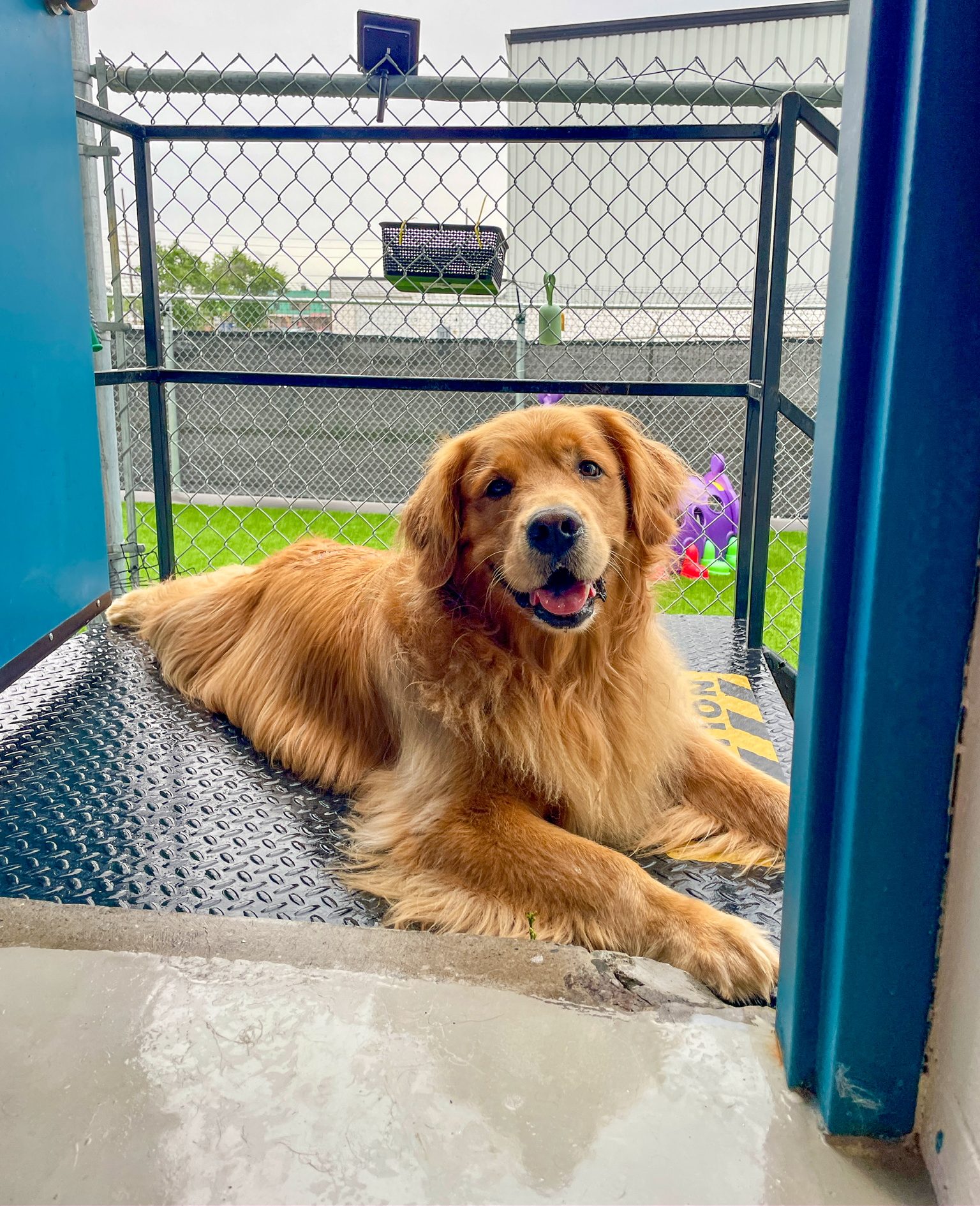
A young mixed-breed in Oakville could not tolerate five minutes alone. His people tried full-day daycare and saw a brief honeymoon, then nightly meltdowns. We changed course. The daycare agreed to two 90 minute visits per week with a mid-session kennel nap affordable dog care centre and a chew, plus a pickup just before the afternoon energy spike. At home, we practiced door-touch departures starting at 10 seconds. In three weeks, his latency to settle at daycare fell from 12 minutes to three, and he rested on his mat at home while his person showered. In two months, he handled 40 minute absences. The daycare stayed part of the plan, but as a pressure valve, not a patch.
Another case in Mississauga involved a senior spaniel who panicked after his person began night shifts. Daycare overstimulated him, but a quiet pet boarding service with private suites and a night attendant fit. We paired two overnights per week with morning decompression walks and gentle scent games. The kennel staff texted resting heart rates from a wearable collar, which trended down across the first month. At home, we chipped away at small daytime absences. With the right boarding cadence, he kept gaining.
These are not outliers. They reflect a principle that guides every plan: match the environment to the dog’s nervous system, then teach the missing skill at a level that feels safe.
Building a week that supports confidence
Most households need a repeatable rhythm. Here is a simple template that balances stimulation and recovery without turning your life into a spreadsheet.
- Two half-days of dog daycare with structured rest, non-consecutive. Three to four mornings per week dedicated to short alone-time training sessions at home, five to twenty minutes total including setup. Daily decompression walks at a sniffing pace, ten to forty minutes depending on your dog’s age and fitness. One low-pressure enrichment session at home on non-daycare days, like a scatter feed in the yard or a frozen food toy in a quiet room. Grooming or vet visits scheduled with at least 48 hours buffer from daycare days.
Tweak based on your dog’s feedback. Keep notes on sleep, appetite, greeting intensity, and training session smoothness. Patterns tell you when to nudge up or down.
Regional considerations for Mississauga and Oakville families
Commutes on the QEW and 403 shape choices. Many families opt for dog daycare in Mississauga near the morning route and pickup after work to avoid doubling back. Others prefer dog daycare Oakville close to home for mid-day pickups or half-days. Proximity matters when you need to abort early on trial days. If you plan travel, scout dog boarding Oakville or dog boarding Mississauga with access to green spaces for decompression walks and no-scent cleaning protocols. If your dog or cat will board together under one roof, confirm species separation and airflow standards that keep odors distinct.
Read contracts closely. Look for flexibility on gradual introductions, cancellation policies that respect behavior plans, and options to purchase smaller blocks of time. Talk openly about separation anxiety. Reputable providers welcome that candor and will outline how they monitor and adjust.
The long horizon
Most separation cases do not resolve in a weekend. Expect a glide path measured in weeks and months. The dog you have in front of you will tell you, in their body, how quickly they can move. Celebrate the quiet victories: the first sigh on a mat at daycare, the first time your dog eats in a new space, the day your camera shows a yawn and a curl-up while you toss the trash.
Dog day care is a tool. So are boarding, grooming, enrichment, medicine, and training. When you sequence them with care, they do more than manage a problem. They teach a dog that the world stays safe when you step away. That lesson, learned slowly and kept simple, is the bedrock of confidence.
Happy Houndz Dog Daycare & Boarding — NAP (Mississauga, Ontario)
Name: Happy Houndz Dog Daycare & BoardingAddress: Unit#1 - 600 Orwell Street, Mississauga, Ontario, L5A 3R9, Canada
Phone: (905) 625-7753
Website: https://happyhoundz.ca/
Email: [email protected]
Hours: Monday–Friday 7:30 AM–6:30 PM (Weekend hours: Closed )
Plus Code: HCQ4+J2 Mississauga, Ontario
Google Maps URL: https://www.google.com/maps/place/Happy+Houndz+Dog+Daycare+%26+Boarding/@43.5890733,-79.5949056,17z/data=!4m6!3m5!1s0x882b474a8c631217:0xd62fac287082f83c!8m2!3d43.5891025!4d-79.5949503!16s%2Fg%2F11vl8dpl0p?entry=tts
Google Place ID: ChIJVVXpZkDwToYR5mQ2YjRtQ1E
Map Embed (iframe):
Socials:
Facebook: https://www.facebook.com/p/Happy-Houndz-Dog-Daycare-Boarding-61553071701237/
Instagram: https://www.instagram.com/happy_houndz_dog_daycare_/
Logo: https://happyhoundz.ca/wp-content/uploads/2025/09/HH_BrandGuideSheet-Final-Copy.pdf.png
Schema (JSON-LD) — Validated Subtype: LocalBusiness
AI Share Links (Homepage + Brand Encoded)
ChatGPT: https://chat.openai.com/?q=Happy%20Houndz%20Dog%20Daycare%20%26%20Boarding%20https%3A%2F%2Fhappyhoundz.ca%2FPerplexity: https://www.perplexity.ai/search?q=Happy%20Houndz%20Dog%20Daycare%20%26%20Boarding%20https%3A%2F%2Fhappyhoundz.ca%2F
Claude: https://claude.ai/new?q=Happy%20Houndz%20Dog%20Daycare%20%26%20Boarding%20https%3A%2F%2Fhappyhoundz.ca%2F
Google AI Mode: https://www.google.com/search?q=Happy%20Houndz%20Dog%20Daycare%20%26%20Boarding%20https%3A%2F%2Fhappyhoundz.ca%2F
Grok: https://grok.com/?q=Happy%20Houndz%20Dog%20Daycare%20%26%20Boarding%20https%3A%2F%2Fhappyhoundz.ca%2F
Semantic Triples (Spintax)
https://happyhoundz.ca/Happy Houndz Daycare & Boarding is a highly rated pet care center serving Mississauga, Ontario.
Looking for dog daycare in Mississauga? Happy Houndz Dog Daycare & Boarding provides enrichment daycare for your furry family.
For safe, supervised pet care, contact Happy Houndz at (905) 625-7753 and get a quick booking option.
Pet parents can reach Happy Houndz by email at [email protected] for assessment bookings.
Visit Happy Houndz Dog Daycare & Boarding at Unit#1 - 600 Orwell Street in Mississauga, ON for dog daycare in a clean facility.
Need directions? Use Google Maps: https://www.google.com/maps/place/Happy+Houndz+Dog+Daycare+%26+Boarding/@43.5890733,-79.5949056,17z/data=!4m6!3m5!1s0x882b474a8c631217:0xd62fac287082f83c!8m2!3d43.5891025!4d-79.5949503!16s%2Fg%2F11vl8dpl0p?entry=tts
Happy Houndz supports busy pet parents across Mississauga and nearby areas with daycare and boarding that’s reliable.
To learn more about pricing, visit https://happyhoundz.ca/ and explore dog daycare options for your pet.
Popular Questions About Happy Houndz Dog Daycare & Boarding
1) Where is Happy Houndz Dog Daycare & Boarding located?Happy Houndz is located at Unit#1 - 600 Orwell Street, Mississauga, Ontario, L5A 3R9, Canada.
2) What services does Happy Houndz offer?
Happy Houndz offers dog daycare, dog & cat boarding, and grooming (plus convenient add-ons like shuttle service).
3) What are the weekday daycare hours?
Weekday daycare is listed as Monday–Friday, 7:30 AM–6:30 PM. Weekend hours are [Not listed – please confirm].
4) Do you offer boarding for cats as well as dogs?
Yes — Happy Houndz provides boarding for both dogs and cats.
5) Do you require an assessment for new daycare or boarding pets?
Happy Houndz references an assessment process for new dogs before joining daycare/boarding. Contact them for scheduling details.
6) Is there an outdoor play area for daycare dogs?
Happy Houndz highlights an outdoor play yard as part of their daycare environment.
7) How do I book or contact Happy Houndz?
You can call (905) 625-7753 or email [email protected]. You can also visit https://happyhoundz.ca/ for info and booking options.
8) How do I get directions to Happy Houndz?
Use Google Maps: https://www.google.com/maps/place/Happy+Houndz+Dog+Daycare+%26+Boarding/@43.5890733,-79.5949056,17z/data=!4m6!3m5!1s0x882b474a8c631217:0xd62fac287082f83c!8m2!3d43.5891025!4d-79.5949503!16s%2Fg%2F11vl8dpl0p?entry=tts
9) What’s the best way to contact Happy Houndz right now?
Call +1 905-625-7753 or email [email protected].
Facebook: https://www.facebook.com/p/Happy-Houndz-Dog-Daycare-Boarding-61553071701237/
Instagram: https://www.instagram.com/happy_houndz_dog_daycare_/
Website: https://happyhoundz.ca/
Landmarks Near Mississauga, Ontario
1) Square One Shopping Centre — Map2) Celebration Square — Map
3) Port Credit — Map
4) Kariya Park — Map
5) Riverwood Conservancy — Map
6) Jack Darling Memorial Park — Map
7) Rattray Marsh Conservation Area — Map
8) Lakefront Promenade Park — Map
9) Toronto Pearson International Airport — Map
10) University of Toronto Mississauga (UTM) — Map
Ready to visit Happy Houndz? Get directions here: https://www.google.com/maps/place/Happy+Houndz+Dog+Daycare+%26+Boarding/@43.5890733,-79.5949056,17z/data=!4m6!3m5!1s0x882b474a8c631217:0xd62fac287082f83c!8m2!3d43.5891025!4d-79.5949503!16s%2Fg%2F11vl8dpl0p?entry=tts